
In a sea of competing booths and crowded trade show floors, capturing audience attention requires more than just a folding table and a hastily printed banner. Attendees stepping onto the showroom floor immediately face a sensory overload of lights, pitches and towering structures. Standing out in a chaotic environment takes strategy, intention and spectacular visuals. This is where the invaluable expertise of an exhibition design agency is vital.
Physical event spaces act as a living, breathing extension of the personality of your brand. Every single structural detail, vibrant visual graphic, and carefully angled lighting element shapes exactly how potential buyers perceive your business. Looking good is only half the battle — creating an environment that naturally pulls people in and encourages them to stay matters most.
The Strategic Value of Hiring an Exhibition Design Agency
Walking into a major industry expo without a clear spatial strategy usually leads to getting overlooked. Partnering with a professional team guarantees your investment translates directly into meaningful foot traffic and measurable business growth.
Bridging Visual Brand Identity with Physical Space
Many companies mistakenly believe that blowing up their logo to fit a 10-foot wall is the pinnacle of event branding. In reality, dedicated exhibition design experts translate your digital branding, core company values, and marketing messaging into three-dimensional, walk-through experiences.
Every texture, color palette, and architectural shape should reflect who you are as a company. Consider how different industries approach design:
A tech software company might utilize sleek, metallic finishes and minimalist lighting to convey futuristic efficiency.
An organic food brand would benefit from natural wood grains, living plant walls, and warm, inviting tones.
A luxury lifestyle brand often relies on plush textures, moody lighting, and minimalist product pedestals.
A seasoned exhibit design firm understands how to bridge the gap — making sure the physical space feels like a natural, tangible extension of your website and corporate brochures.
Did You Know - Studies show you have roughly three seconds to grab the attention of a passing attendee on the trade show floor — making immediate visual and spatial impact an absolute necessity for lead generation.
Architecting Spaces for Optimal Traffic Flow and Lead Capture
A beautiful booth serves no purpose if people cannot figure out how to walk through it. Strategic spatial layout design naturally guides attendee movement, creates comfortable meeting zones, and eliminates frustrating bottlenecks to maximize attendee interaction.
Professionals employ advanced trade show booth layout strategies to divide your space into distinct zones:
The Greeting Zone - An open, barrier-free perimeter where brand ambassadors can easily engage passersby.
The Engagement Zone - The core area featuring product demos, interactive screens, and main attractions.
The Conversion Zone - A quieter, slightly secluded space — perhaps featuring comfortable seating — designed specifically to host deep conversations, contract signings, and high-level networking.
Aligning Vision with a Branding and Trade Show Design Studio
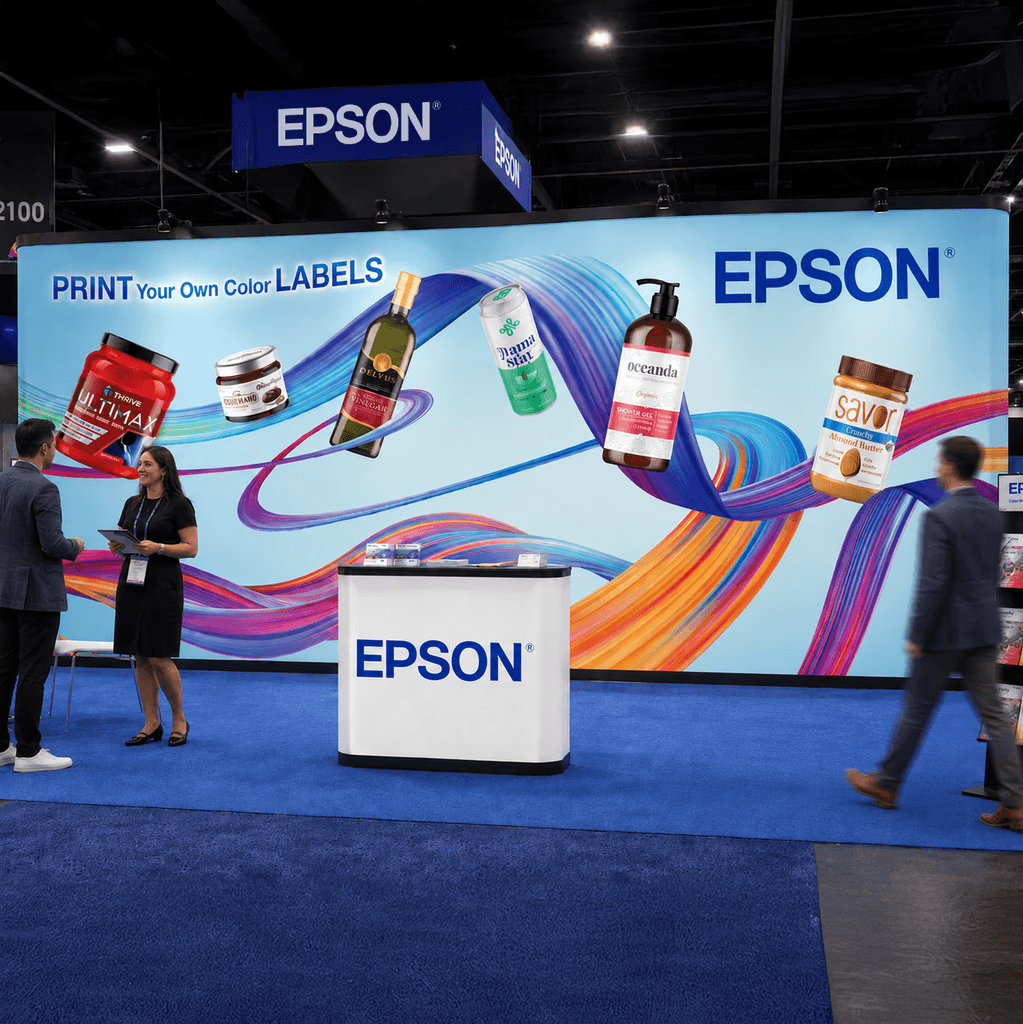
Building a truly memorable presence means looking at the big picture. Aligning with the right creative partners turns your event strategy into a cohesive ecosystem — rather than a collection of disjointed parts.
Developing Cohesive Visual Systems Across Touchpoints
Partnering with a full-scale branding and trade show design studio guarantees every single touchpoint speaks the exact same visual language. Imagine a scenario where your pre-show email marketing, your physical booth walls, your interactive digital displays, and your post-show follow-up collateral all share a unified aesthetic. Working alongside an expert exhibit design and branding agency bakes consistency into the process from day one.
Consistent visual systems build immediate subconscious trust with your audience. Disorganized branding might lead potential clients to assume your products or services operate poorly.
Integrating Interactive and Multi-Sensory Elements
Modern studios understand that buyers today do not want to be lectured — they want to participate. Blending physical structure with tactile product displays, interactive digital screens, and ambient lighting is the best way to increase visitor dwell time.
True experiential marketing design engages multiple senses. The longer an attendee interacts with your environment, the more likely they are to remember your brand.
Key Pillars of Effective Custom Exhibit and Signage Design
Dominating the showroom floor demands flawless execution of certain structural and visual elements. These pillars form the foundation of any high-performing event space.
High-Impact Focal Points and Overhead Graphics
In massive expo halls, sightlines mean everything. You are not just competing with the booths immediately next to you — you are competing with structures halfway across the convention center. Effective custom exhibit and signage design focuses heavily on long-distance sightlines:
Bold headers attract eyes from hundreds of feet away
Suspended ceiling banners act as literal beacons across the room
Crisp, high-contrast typography helps attendees navigate the floor directly toward your space
Internally illuminated lightbox graphics keep your brand name visible even in poorly lit corners of the venue
Balancing Brand Storytelling with Functional Product Display
Custom exhibit and signage design must work hand-in-hand with functional retail and display mechanics. Showcasing products clearly while communicating your core value propositions remains vital.
An experienced exhibit design firm knows that a beautifully designed wall graphic should not distract from the physical product sitting in front of it. Shelving, pedestals, and display cases are instead engineered to highlight the product — using the surrounding architecture and signage to frame the item and tell its story.
The End-to-End Creative Process — The Concept to Floor Delivery
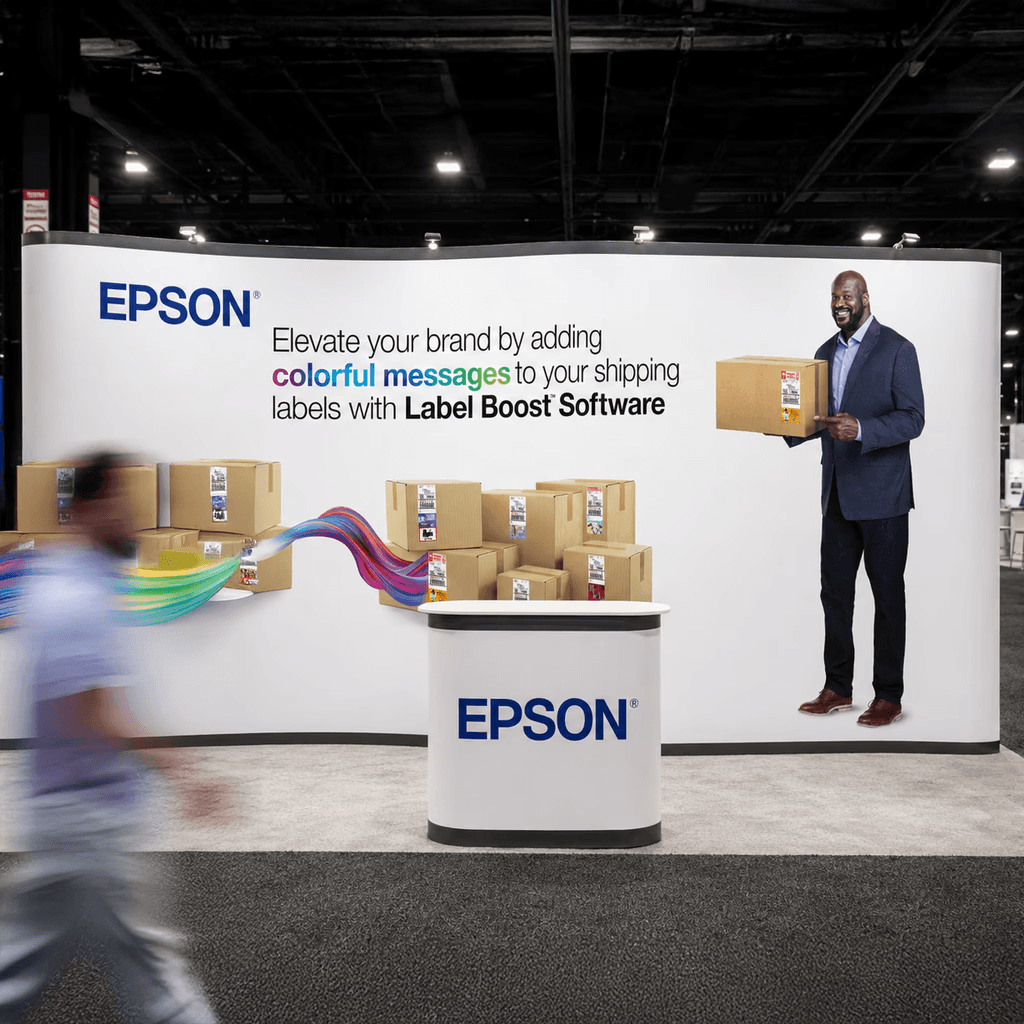
The magic you see on opening day is the result of months of meticulous planning, strategy, and engineering. Understanding the timeline helps marketing teams prepare for success.
Discovery, Strategy and Spatial Planning
The crucial initial phase involves deeply defining your campaign objectives, target audience personas, booth dimensions, and key messaging pillars. Before any sketches are drawn, the creative team must understand what success looks like. Are you launching a new product? Are you trying to break into a new demographic? Every design decision moving forward relies on the discovery phase.
Collaborative Revisions and Flawless Build Execution
Once the strategy is locked in, the iterative design workflow begins. 3D trade show display rendering comes into play here — allowing you to virtually walk through the space before a single piece of wood or metal is cut. Emphasizing material selections and architectural tweaks during the digital phase makes sure the final physical build perfectly matches the expectations of the client before moving into heavy production and fabrication.
Maximizing ROI and Long-Term Value from Your Exhibit Assets
Event marketing represents a significant investment. Smart brands look for ways to stretch budgets by creating assets that offer long-term, repeatable value.
Modular vs Custom Builds for Reusable Event Strategies
One of the most important discussions revolves around the structural framework of your booth. Contrasting fully custom exhibit builds — which are highly tailored but often rigid — with modular designs is incredibly helpful. Modular systems are intelligently engineered to be reconfigured for varying booth dimensions across multiple annual industry trade shows.
Reusing the same framework, graphics and counters drastically improves your annual return on investment.
Post-Show Asset Utilization
The value of your build should not end after the trade show packs up. Discussing tactics to repurpose high-quality exhibit graphics, fabric backdrops, and display units is a brilliant way to extend their lifespan.
After the event concludes, these premium branded elements can be permanently installed in your corporate headquarters, utilized in local showrooms, or adapted for everyday retail locations.
Build a Show-Stopping Presence with Lien Exhibit Design!
Standout trade show success demands a smooth blend of strategic marketing, structural creativity, and flawless execution. Finding the right exhibition design agency to guide you through the complex process is the ultimate difference between an empty booth and a packed house.
Lien Exhibit Design brings over two decades of expertise as a full-service creative studio. Specializing in custom trade show booth design, branding systems, exterior signage, and in-store displays, we have helped over 280+ brands stand out, delivering outstanding client satisfaction.
Transform your next event setup where strategy meets show-stopping design.
Contact Lien Exhibit Design today to kickstart your custom trade show build!
Frequently Asked Questions (FAQs)
1. What does an exhibition design agency do?
An exhibition design agency creates custom 3D physical environments, trade show booths and branded display assets engineered to attract attendees and communicate brand messaging at live events.
2. How does a branding and trade show design studio improve event ROI?
A specialized studio aligns your visual identity with targeted booth layouts — optimizing foot traffic flow and attendee engagement to increase qualified lead generation.
3. What are the core components of custom exhibit and signage design?
Custom exhibit and signage design encompasses structural booth layouts, high-visibility graphic displays, environmental lighting, product placement stations and cohesive visual branding.
4. How far in advance should you hire an agency for a trade show booth?
Most professional studios recommend starting the project 2-3 months prior to the event to allow ample time for strategy, 3D concepting, client revisions and fabrication.
5. Can custom trade show exhibits be resized for different booth spaces?
Yes. Experienced design agencies often build versatile, modular exhibit systems that can easily adapt or scale down to fit various booth dimensions across multiple trade shows.