
Want your booth to actually get noticed in 2026? It basically comes down to three elements: a clear view, technology with a purpose, and a layout people feel comfortable walking into. That's it. However, it's hard to put it into practice, and that's where planning, materials, and messaging come in. Studios such as Lien Exhibit Design create the entire process around this concept and make it more of a walk-through story than a construction project when it comes to trade show booth design. For creative designs, you can contact us anytime, but before that, let's discover more about the design ideas to stand out in 2026.
This guide includes what's trending, ideas that you can implement, the cost of items and a checklist to follow before your booth leaves the docks. So, here are the key ideas to begin!
What Makes a Trade Show Booth Stand Out in 2026?
A big banner and a table of brochures used to be enough. But not anymore. A booth needs to say something fast, work smoothly, and give people a reason to stop. Here is all you need to do:
Strong visual identity - Bold colors and steady branding so people spot you from across the room.
Clear messaging - A headline that tells people what you do before they even slow down.
Open and inviting layouts - Wide entry points so nobody feels like they're squeezing through.
Interactive experiences - Something to touch or try, not just something to stare at.
Strategic lighting - Light that points the eye exactly where you want it to go.
Technology used with purpose - Screens that back up your story instead of stealing the show.
Comfortable visitor spaces - A place to sit down and actually talk.
Lead-capture opportunities - An easy way to follow up once the show is over.
Consistent branding - The same colors and fonts on every panel, so nothing feels out of place.
10 Trade Show Booth Design Ideas for 2026
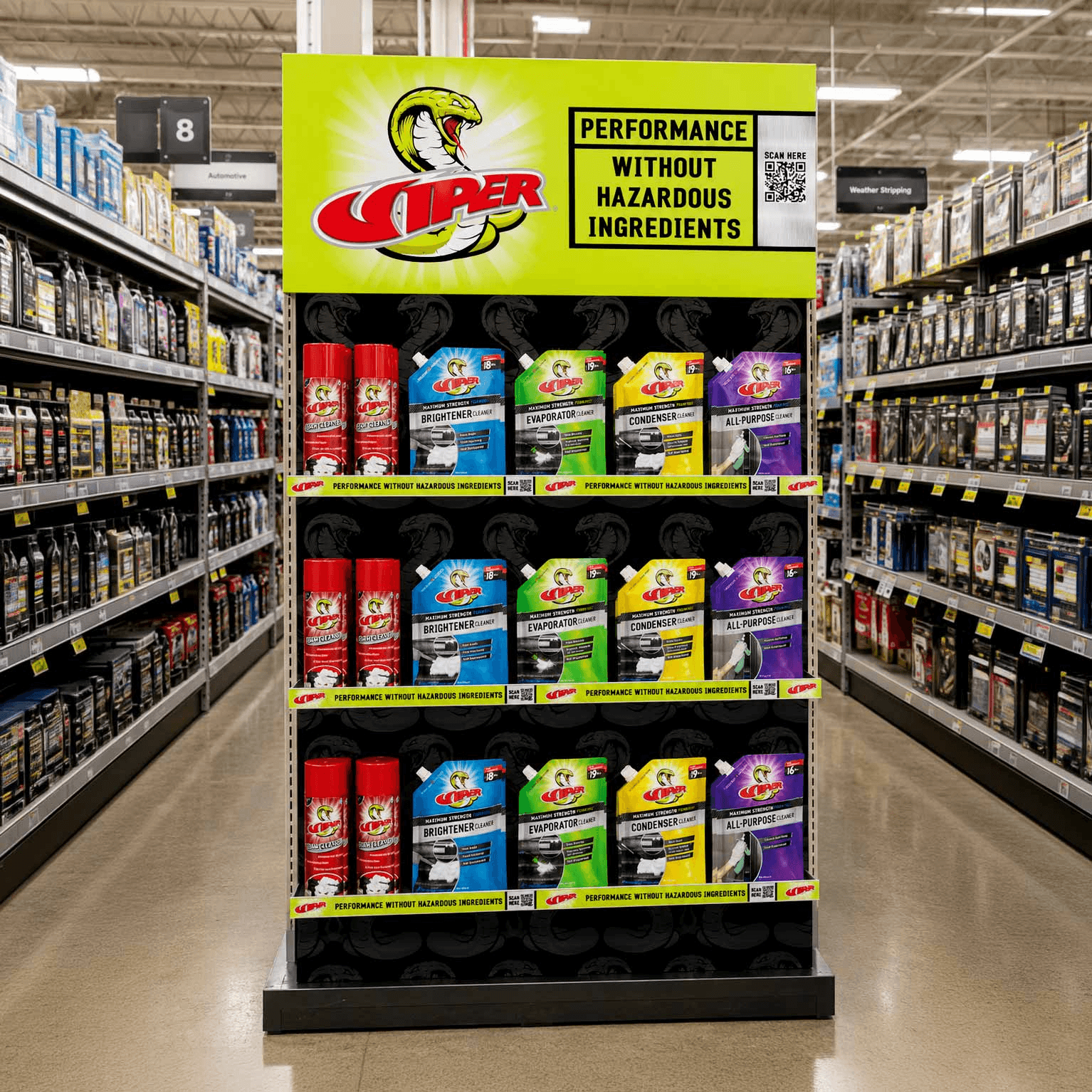
Some of these trade show booth design ideas are practical, while others add a little creativity and interaction, but all of them are worth a look for your next show.
Modular wall systems - Panels you can rearrange, so one setup works for shows of different sizes.
Sensory branding zones - A scent, sound, or texture that sticks in someone's memory.
Product spotlight pedestals - Raised displays that pull the eye straight to your best item.
Digital storytelling walls - Big screens that tell your story even when your staff is busy.
Sustainable materials - Recyclable builds that speak to eco-minded attendees.
Private meeting nooks - A quiet corner for the talks that need real focus.
Overhead signage towers - Extra height so people spot you from the far end of the hall.
Charging lounges - A simple reason for people to stop and stay a bit longer.
Augmented reality demos - An engaging, hands-on way to show off a product without shipping ten of them.
Textured flooring cues - Small flooring changes that quietly guide people through your space.
How to Choose the Right Trade Show Booth Design for Your Brand
Picking the right approach for your trade show exhibit design comes down to your goals, your audience, and how your brand needs to show up.
1. Brand personality:
Your booth should feel like the rest of your brand, down to the colors and materials.
2. Target audience behavior:
Think about how your visitors actually move through a show floor.
3. Show goals:
A booth built to capture leads looks nothing like one built just for awareness.
4. Space and layout constraints:
Ceiling height, booth size, and even your neighbors change what will work.
5. Budget realities:
Custom builds, materials, and tech all pull from the same pot of money.
6. Reusability needs:
If you show up often, something you can reuse will save you money down the line.
Trade Show Booth Design Mistakes to Avoid
Even exhibitors who've done this for years fall into a few mistakes that quietly ruin their results. Here is what not to do:
Cramming too many products or messages into one small space.
Cluttered graphics that bury the one thing you wanted to say.
Forgetting how the booth looks from the main aisle, not just up close.
Skipping staff training on how to greet and guide people.
Leaving lighting decisions until the night before setup.
Chasing a trend that doesn't match your actual brand.
Underestimating how much storage all that material will need.
How Much Does Trade Show Booth Design Cost?
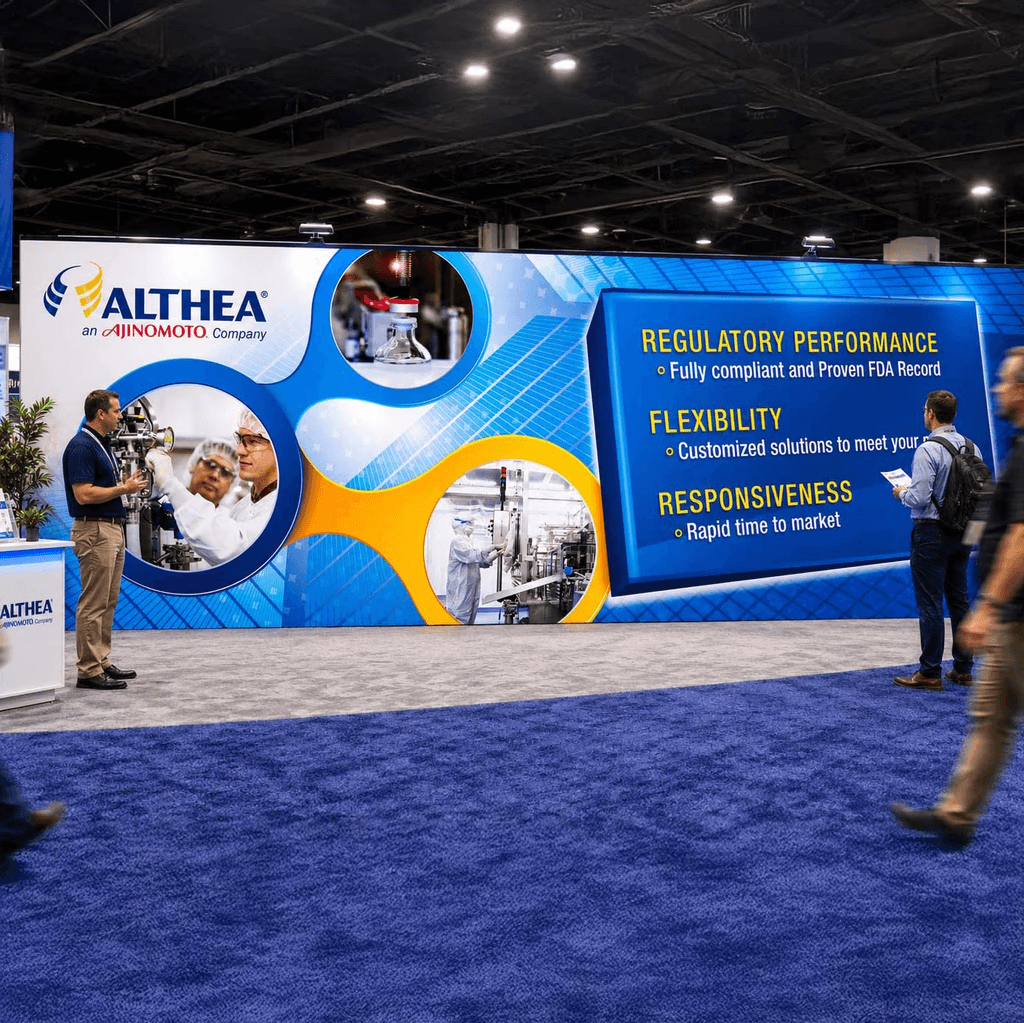
There's no single number that answers this fairly since so much depends on scope and choices along the way. A breakdown helps more than a guess.
Booth size - bigger footprints mean more materials, more labor, more planning.
Custom vs. modular design - custom work usually costs more upfront than modular.
Materials - premium finishes and specialty substrates push the price higher.
Graphics - the quality and complexity of large-format printing moves the cost around.
Lighting - layered or programmable lighting adds both cost and impact.
AV/technology - screens, sensors, and interactive tools raise budget and setup time.
Furniture - rental or custom pieces vary a lot depending on style.
Shipping - weight and distance to the venue affect transport cost directly.
Installation - labor depends on how complex the booth is and local union rules.
Storage - off-season storage becomes a recurring cost for reusable booths.
Event-specific requirements - some venues have their own fire, safety, or union rules that add cost.
Pricing for custom trade show booth design really does vary by project scope, exhibit location, individual show rules, and the fabrication choices your team makes.
Custom vs. Modular Trade Show Booths: Which Is Better?
Neither one wins outright. It comes down to how often you're on the floor and how unique your presence needs to be.
Factor | Custom Booth | Modular Booth |
Design flexibility | Fully tailored to brand vision | Limited to system components |
Upfront cost | Higher initial investment | Lower initial investment |
Reusability | Best for one signature event | Ideal for frequent, varied shows |
Setup time | Longer installation process | Faster, simpler assembly |
Storage needs | Often needs dedicated storage | Compact and easier to store |
Long-term value | Strong for brand-defining moments | Strong for consistent, repeat use |
Exhibitors who attend one big show a year tend to lean custom, while brands showing up across several regions usually get more out of modular. Teams like ours at Lien Exhibit Design often walk clients through this exact call, weighing how often you exhibit against what you're trying to say, so your money actually fits your plans.
How to Design a Trade Show Booth That Attracts More Visitors
Getting more visitors isn't about decoration. It's about following a framework that works for your exhibition stand design.
Nail down your core message before touching any visuals.
Map out how visitors will move from entrance to exit.
Keep key products at eye level, not tucked under a table.
Balance open walking space with a few focused display spots.
Use lighting to highlight, not to overwhelm, the room.
Build in at least one real moment of interaction.
Coach staff to greet people without sounding rehearsed.
Trade Show Booth Design Checklist for 2026
A final checklist for you to review before your booth heads out the door:
1. Double-check branding is consistent on every panel.
2. Test all lighting and tech before installation day.
3. Confirm lead-capture tools are actually working.
4. Walk the layout and check for bottlenecks or dead ends.
5. Pack backup materials in case something needs a fix.
6. Brief staff on messaging, flow, and who's doing what.
Final Thoughts
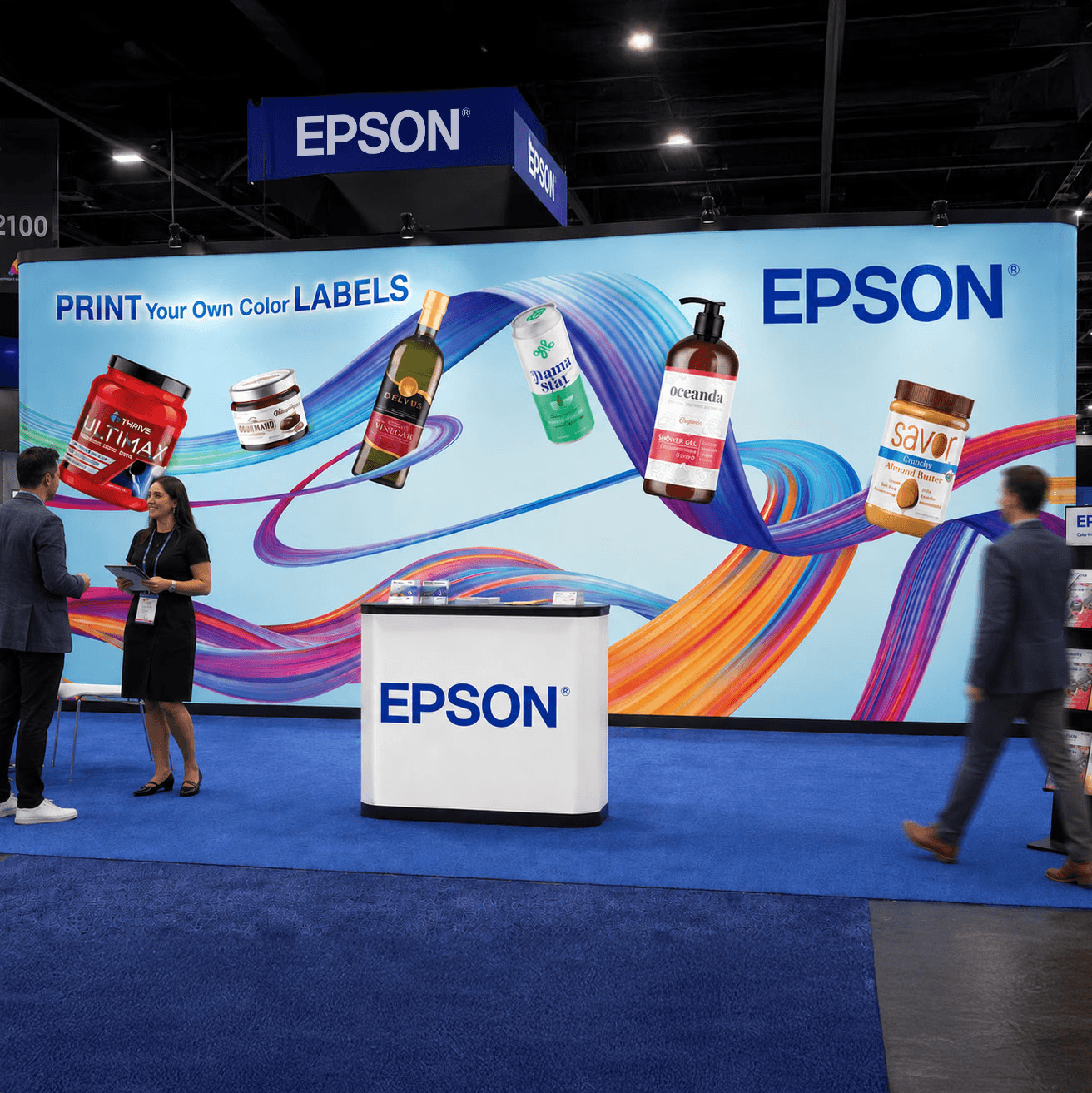
Good trade show booth design is strategy dressed up as creativity. It takes something temporary and turns it into a memory people carry home. Every choice, from layout to lighting, should tie back to your brand and how your visitors experience it in person.
If you're gearing up for your next show and want a team that gets both the creative and practical sides of this work, Lien Exhibit Design brings that mix to every project, so your brand shows up ready. Browse our latest projects on our website. Let's strategize for your next show-stopping design!
FAQ Section
Q1. What defines good trade show booth design?
Good design mixes clear branding, a comfortable layout, and purposeful technology to keep visitors engaged and support real business goals.
Q2. How far in advance should booth design begin?
Most exhibitors start planning three to six months out, which leaves room for design, fabrication, and last-minute changes.
Q3. Is a custom booth worth the extra cost?
Custom booths make sense for a signature event needing a unique statement, while modular options usually suit frequent, budget-conscious exhibitors better.
Q4. What size booth works best for first-time exhibitors?
A smaller footprint, often ten by ten or ten by twenty feet, lets first-time exhibitors test what works before spending more.
Q5. How can lighting improve booth performance?
Layered lighting draws attention to key products and messaging, helping visitors move through the space naturally without feeling overwhelmed.